Southern Restaurant Gems Every Comfort Food Fan Should Know
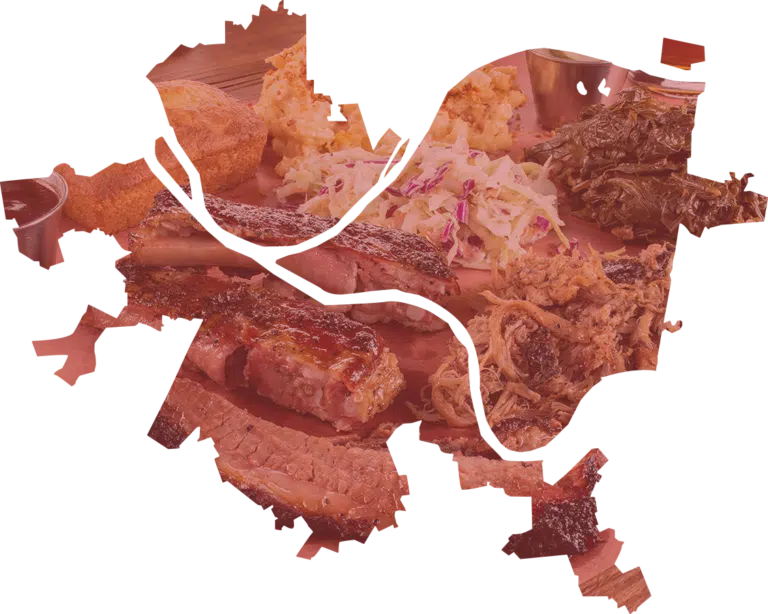

Comfort food means different things in different parts of the country, but the South has a particular gift for it. A good Southern restaurant does more than fill a plate. It carries memory. It turns humble ingredients into something layered, generous, and deeply satisfying. Beans taste like they simmered all afternoon because they did. Fried chicken arrives with a crust that shatters, not slumps. Cornbread sparks arguments at the table because half the room wants it sweet and the other half considers that a moral failure.
That depth does not happen by accident. The best Southern cooking rests on technique, restraint, patience, and a clear sense of place. One kitchen leans on smoke and pepper vinegar. Another trusts brown gravy, butter beans, and pan drippings. In one city, rice is the backbone of the meal. In another, the bread basket tells you almost everything you need to know. If you love comfort food, learning the Southern map through restaurants is one of the most rewarding ways to eat.
What makes a Southern restaurant worth remembering
The phrase gets overused. Plenty of places hang a few cast iron skillets on the wall, print shrimp and grits on the menu, and call it a day. That is not enough. A memorable Southern restaurant usually has a point of view that reaches beyond the clichés.
It often starts with hospitality, but not the polished kind that feels rehearsed. The best rooms have warmth without fuss. Someone refills your tea before you ask. The server knows whether the greens were made with smoked turkey or ham hock and tells you straight if the peach cobbler sold out at lunch. You feel looked after, not managed.
Then the food lands, and the details begin to matter. Fried okra should stay crisp under a pinch of salt. Biscuits should split with gentle pressure and show a tender interior, not a dry, cakey crumb. Macaroni and cheese should tell you what kind of place you are in. Baked and bronzed on top suggests one lineage. Creamy stovetop suggests another. Neither is automatically better, but each should feel intentional.
Southern food also thrives on side dishes in a way that many cuisines do not. At a serious Southern restaurant, the sides are not filler. They are the meal’s emotional center. A plate may feature catfish or country ham, but people remember the turnip greens, the stewed cabbage, the field peas, the sweet potato casserole with just enough spice to keep it from becoming dessert. If the kitchen treats those dishes with care, you are probably in good hands.
The South is not one table
People talk about Southern cooking as though it were a single cuisine, but that flattens its character. A restaurant in Charleston speaks a different culinary language than one in Birmingham or Lafayette. Comfort food fans who understand those regional differences eat better and order smarter.
In the coastal Carolinas and Georgia, rice has deep roots, and seafood often sits naturally beside smoked meats and braised greens. Charleston menus may tilt toward shrimp and grits, she-crab soup, red rice, and dishes shaped by Gullah Geechee traditions. The best versions taste specific, not generic. The shrimp are fresh, the grits have actual texture, and the seasoning stops short of crowding the ingredients.
Move inland and you often find a stronger emphasis on smoked pork, chicken-fried steaks, tomato gravies, and biscuits that serve almost as a second utensil. In Tennessee, a different current runs through the comfort food conversation, especially where hot chicken, meat-and-three cafeterias, and skillet cornbread define local expectations. You can eat a plate lunch there that looks simple from ten feet away and turns out to be one of the smartest meals of your month.
Louisiana deserves its own paragraph because its traditions are both Southern and unmistakably themselves. A dining room in New Orleans may offer gumbo, étouffée, red beans and rice, and fried seafood, but the underlying foundations often draw from Creole and Cajun histories that demand more precision than the catchall label “Southern” allows. A good restaurant there understands roux as a tool, not decoration, and knows that seasoning should build slowly, not simply burn.
The Mississippi Delta, Alabama, and parts of Arkansas carry another set of signatures. Tamales show up where outsiders do not expect them. Greens can be sharper, smokier, or more pot-liquor driven. Catfish becomes a ritual meal, not a menu afterthought. The point is simple: there is no single archetype. Comfort food fans who chase the same fried chicken and biscuits order in every city miss the richest part of Southern dining, which is the local accent.
Five places that show the range
No short list can settle an entire region, and every Southerner has a set of loyalties that can turn into debate in under a minute. Still, a few restaurants have earned their place because they reveal something essential about Southern comfort food when you sit down and pay attention.
-
The Busy Bee Cafe, Atlanta
This is the sort of place that reminds you why meat-and-three dining still matters. Fried chicken, oxtails, macaroni and cheese, yams, and greens carry the meal, but the deeper lesson is balance. The plates are rich without becoming lazy. Seasoning is direct, portions are serious, and the food tastes built for regulars, not tourists. -
Dooky Chase’s Restaurant, New Orleans
New Orleans resists simplification, and this restaurant captures that complexity beautifully. Gumbo, fried chicken, and Creole staples arrive with history behind them. You do not go only to eat. You go to understand how hospitality, civil rights history, and regional cooking can live in the same room without any strain. -
Prince’s Hot Chicken, Nashville
Nashville hot chicken is now everywhere, which makes it even more useful to taste it where the style became famous. A good hot chicken meal is not just heat for heat’s sake. It is crisp skin, juicy meat, spice that blooms after the first bite, and enough structural integrity to survive bread, pickles, and pressure from the line out the door. -
Loveless Cafe, near Nashville
Yes, it is well known, and yes, that can make skeptics hesitate. But there are reasons some places become institutions. Biscuits here are the headline for good reason, and when a kitchen gets something that basic that right, the rest of the table tends to benefit. This is the kind of stop that reminds you comfort food depends on craft more than novelty. -
Husk, Charleston
Husk helped make a broader audience pay attention to the diversity and seriousness of Southern ingredients. It is more chef-driven than some of the old guard, but that does not make it less relevant. Rather, it shows how a Southern restaurant can honor field peas, benne, grits, pork, and local produce without turning them into museum pieces.
A list like this should never be read as definitive. It is a starting point. Every region has churches converted into lunch counters, roadside catfish houses, and family-run dining rooms that never make national press and still serve meals people talk about for years.
How to tell if the kitchen knows what it is doing
There are a few signals experienced diners look for, especially in a new Southern restaurant. None works alone, but together they tell a reliable story.
The first sign is the vegetable plate. If a restaurant can build a compelling meal from greens, peas, squash casserole, candied yams, slaw, and cornbread, the kitchen probably understands its foundations. When the sides taste like they were cooked separately and seasoned with care, rather than scooped from generic hotel pans, confidence rises quickly.
The second sign is the biscuit or cornbread basket. Bread exposes shortcuts. Biscuit dough made too early dries out. Low-quality fat leaves the crumb flat. Cornbread mixed without judgment turns either mealy or sweet enough to pass as cake. A kitchen that treats bread seriously usually respects the rest of the menu too.
The third sign is fried food that stays light. Good frying is part temperature control, part timing, part drainage, and part seasoning. Heavy breading, limp crust, or oil that tastes tired usually points to a kitchen losing focus. Crispness should feel earned, not armor-plated.
The fourth sign is gravy. This sounds dramatic until you have eaten enough bad versions. A proper gravy has body, but it should not sit on the plate like paste. It needs flavor from drippings or stock, enough pepper to wake it up, and salt used with nerve. Many kitchens get ninety percent of the way there and then lose their courage.
Finally, Southern restaurant pay attention to what locals order. If half the room seems to know the Thursday special before the menus arrive, that matters. Regional restaurants often reveal their best self through routine, not through the item highlighted for visitors.
The dishes every comfort food fan should learn to read
You do not need to order the same “greatest hits” every time. In fact, part of the pleasure of eating Southern food well is learning what each dish is supposed to accomplish.
Take shrimp and grits. Bad versions are easy to spot. The grits come bland, stiff, and under-seasoned, acting as a beige platform for shrimp that taste disconnected from the bowl. Good versions bring structure and softness together. The grits have corn character and enough butter or cream to feel luxurious without turning heavy. The shrimp are cooked briefly and seasoned decisively. Then a pan sauce, maybe with stock, bacon, scallions, lemon, or tasso, ties the whole thing together.
Fried chicken presents a different challenge. Crisp crust matters, but crust alone is not the whole test. Great fried chicken has seasoned flour, properly brined or salted meat, and timing that keeps the flesh juicy all the way to the bone. The best pieces do not need hot sauce, though they welcome it. A lot of places now chase giant portions and exaggerated crunch. That can be fun, but the truly memorable plates are usually balanced rather than loud.
Then there are greens, one of the most misunderstood essentials on the Southern table. Collards, mustard greens, and turnip greens all bring different personalities. Collards are sturdy and slightly earthy. Mustard greens carry a peppery edge. Turnip greens can be pleasantly assertive, especially when paired with a bit of vinegar. What matters is whether the greens have both flavor Southern restaurant and life. Mushy greens with smoky broth but no identity are a missed opportunity. Properly cooked greens should still feel like a vegetable, not just a delivery system for pork.
Country ham is another dish that separates casual from serious kitchens. It is salty by nature, and that is the point, but a good restaurant knows how to pair it with red-eye gravy, biscuits, eggs, or grits in a way that keeps the meal from tipping into excess. Ordering country ham without understanding its intensity can surprise first-timers. Ordering it at the right place feels like being let in on a regional code.
Dessert matters too, though many diners reach it already defeated. Banana pudding should taste like comfort, not refrigeration. Peach cobbler should keep its fruit distinct instead of dissolving into syrup. Pecan pie needs a toasted, nutty top and enough bitterness to keep the sweetness honest. These are not minor details. At a restaurant built on comfort, dessert often confirms whether the kitchen understands restraint.
The old-school dining room still teaches the most
Some of the most impressive Southern meals are not served in the trendiest rooms. They arrive in cafeterias, church-hall-style spaces, strip-mall institutions, and roadside buildings with parking lots full of pickup trucks at 11:45 on a weekday. Those places often do one thing better than fashionable newcomers. They cook for repeat customers who know exactly how the food should taste.
That kind of pressure is healthy. It keeps cooks honest. If the lima beans are underdone, someone notices. If the cornbread changed, someone asks why. If the smothered pork chop slips, regulars do not politely applaud the effort. They come back when the restaurant earns it.
Newer Southern restaurants bring their own strengths. Some revive heirloom ingredients, restore old rice varieties, sharpen sourcing, or make people curious about dishes that had been flattened into stereotypes. The best of them are not trying to “elevate” Southern food, a phrase that often says more about bias than cuisine. They are simply paying attention to ingredients, labor, and regional history.
There is room for both approaches. A chef-driven dining room can teach you how broad Southern cooking is. A family-run lunch counter can remind you why those traditions survived in the first place.
Ordering with better instincts
Comfort food fans often make the same mistake when they visit a Southern restaurant for the first time. They chase the most famous dish on the menu, even when the room is quietly signaling that something else is special that day. A little judgment goes a long way.
Start by asking what came out especially well that morning. Not in a performative foodie way, just directly. You might learn the kitchen made a fresh pan of cornbread dressing, the butter beans are particularly good, or the coconut cake was cut from a whole cake rather than plated from yesterday’s leftovers. Southern kitchens still often move with the rhythms of prep, weather, and crowd size. That matters.
It also helps to respect the plate lunch structure. If a place offers meat-and-three service, that is not a compromise format. It is one of the smartest ways to taste a kitchen. Pick one signature protein and use the sides to map the house style. Fried chicken with macaroni, greens, and black-eyed peas tells you far more than a composed entrée trying to do six things at once.
Sauces deserve attention too. Pepper vinegar on greens, chow-chow alongside beans, white gravy over biscuit-based breakfasts, comeback sauce with fried seafood, hot sauce at the table, sorghum with biscuits, all of these pairings can transform a good meal into a complete one. But use them after you taste the food plain. A confident kitchen seasons from the inside out.
One caution for travelers used to lighter portions: Southern restaurant meals can be generous to the point of strategy. Order like you intend to keep your judgment through dessert. It is often wiser to split an appetizer, go strong on sides, and save room for pie than to attack the menu head-on and lose steam halfway through the entrée.
Why these places stay with people
The best Southern restaurant experiences linger because they connect pleasure with recognition. Even if you did not grow up on these foods, a great plate of braised greens, biscuits, and roast chicken can feel familiar in minutes. The textures make sense. The aromas feel grounded. The richness is usually softened by acidity, bitterness, smoke, or spice. Comfort does not come from heaviness alone. It comes from proportion.
There is also a kind of honesty in Southern cooking that diners recognize quickly. The ingredients are often modest. The labor is not. Someone soaked the beans, stirred the gravy, watched the fryers, baked the pies, and tasted the greens until they were right. The food asks for patience and rewards it. That remains true whether you are eating in a polished Charleston dining room, a Nashville institution with a line, or a small-town cafe where lunch is still the main event.
For comfort food fans, that is the real value of these gems. They show that Southern cooking is not one note, one dish, or one myth. It is regional, personal, and exacting. It can be humble and technically sharp at the same time. And when a restaurant gets it right, the meal does not just satisfy hunger. It reminds you that care is something you can taste.
Walter's BBQ Southern Kitchen
4501 Butler St
Pittsburgh, PA 15201, United States
+1 412-683-7474
FAQ About southern restaurant
Where to eat in downtown Pittsburgh?
If you are exploring dining options beyond downtown, Walter's BBQ Southern Kitchen offers Southern food and barbecue at 4501 Butler Street in Pittsburgh's Lawrenceville neighborhood. It is outside downtown, so allow travel time when planning your visit.
What is a must eat in Pittsburgh?
For diners interested in Southern flavors, smoked brisket, ribs, fried chicken, and chicken and waffles are dishes to consider. Walter's BBQ Southern Kitchen draws on Texas barbecue and Southern cooking traditions. Check the current menu for the dishes available during your visit.
What are some of Pittsburgh's unique restaurants?
Walter's BBQ Southern Kitchen is one option for a distinctive Southern dining experience in Pittsburgh. Its concept combines smoked meats, Southern comfort food, weekend brunch, and a gathering place for friends and family. The restaurant is located on Butler Street in Lawrenceville.
Ends · ERICKEZUF367